

You might also be interested in this
Customer Pledge
Our commitment to our customers is unmatched because we embrace and live our mission and vision to transcend industry standards in transport automation.

Manual Transport Calculator
Uncover the true cost of manual transport across your hospital with our Manual Transport Calculator.
Pneumatic Tube System Components
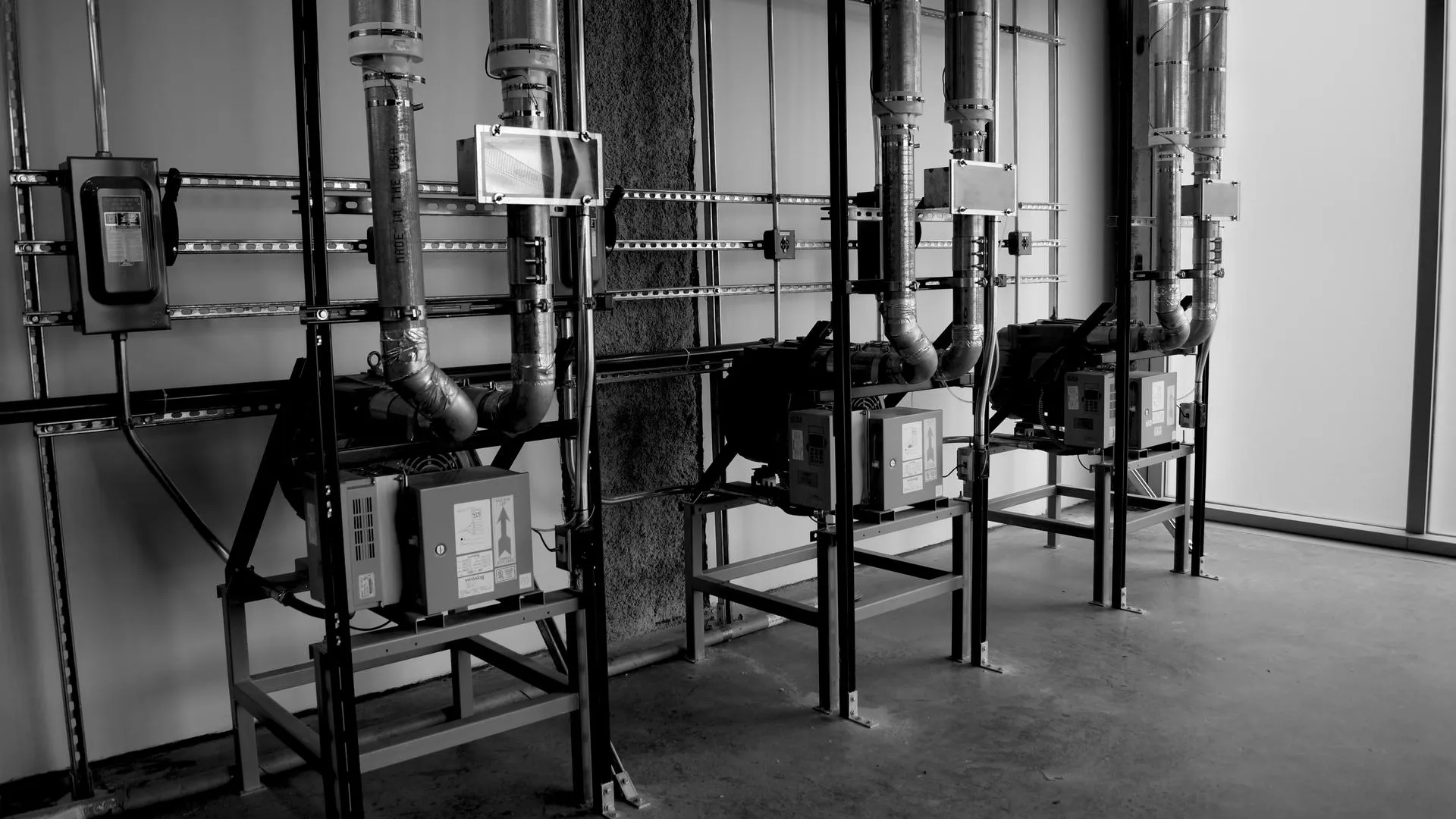
Pneumatic tube systems are comprised of many components that work together to support hospital operations. Without careful planning, construction, or maintenance, tube systems can malfunction bringing things to a costly halt. That's why TransLogic uses the best engineered components, to design, build, and repair its pneumatic tube systems.

Pneumatic Tube System Carriers and Accessories
TransLogic carriers safely and reliably transport lab specimens, IVs, pharmaceuticals, documents, supplies, and other materials throughout your hospital’s pneumatic tube system. Purpose-built, durable, and color-coded to prevent cross-contamination, our pneumatic tube system carriers are even easy to load and unload thanks to a full access, side-open design.

Overview | TransLogic Carriers and Accessories
Tailoring carrier types and accessories to the needs of individual departments can greatly enhance their efficiency and productivity

Pneumatic Tube System Stations and Accessories
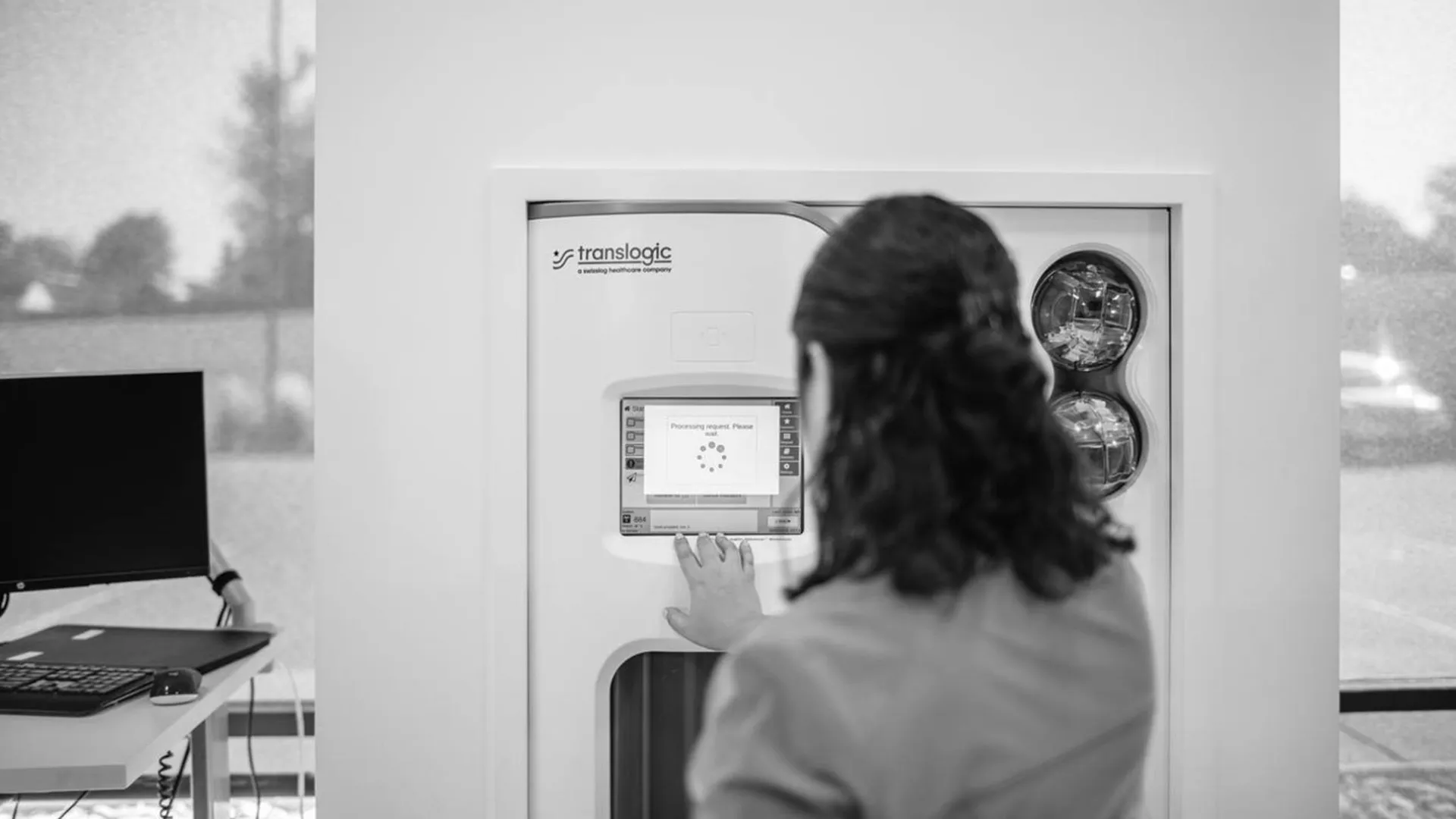
Stations are where hospital staff interacts with the pneumatic tube system. From carrier management and storage to security functions, TransLogic stations with Nexus™ empower hospitals to accelerate and protect workflows.

The Latest Software
Our latest software, Version 9 or “V9”, delivers the advanced features needed to support secure, scalable, and modern healthcare IT environments and enables maximum pneumatic tube system performance.

Delivery Manager Material Tracking Software
Delivery Manager tracks medication and material shipments however they’re sent. Whether it's through the pneumatic tube system, other automated transportation methods, or manual transport, users can manage chain-of-custody. With complete visibility into all order details, including status, location and delivery method, Delivery Manager increases accountability, efficiency, and security, throughout the organization.