Blood Transfer in Hospitals
The transfer of blood throughout a hospital complex requires careful handling for several reasons. Blood samples can become compromised quickly and easily due to their fragile nature. Collection and storage of blood must adhere to the best practices set forth by the FDA’s Center for Biologics Evaluation and Research (CBER). Safe handling practices should be in place and meet stringent OSHA requirements to avoid human exposure. Hospital blood transport from the collection point to the lab or from a central depot to clinical areas must, at a minimum, meet these requirements:
Transport Timeliness
Expeditious transport is key, as blood can begin to deteriorate quickly. Some studies show bacteria growth after only two hours exposure to room temperature.
Temperature Control
The optimum temperature to transport blood is between 1 and 10 degrees centigrade. It must remain constant throughout the transport process.
Handling Safety
While technology is available to optimize blood transport in hospitals, ongoing concerns of potential issues that could lead to contamination have made hospitals reluctant to move away from continuing to use employees or couriers to walk the blood from one area to another.
This reluctance to automate blood transport methods is understandable, however, there are significant potential downsides to manual transport:
- Delivery delays caused by hand-carrying across the hospital campus.
- Exposure to natural elements and temperature changes.
- Human handling errors resulting in contamination.
- Ongoing costs incurred using personnel or paying couriers for their services.
Due to these and other factors, many hospitals are revisiting the benefits of upgrading to the use of technology to handle blood transport.
Pneumatic Tube Systems Are Well Suited For Blood Transport
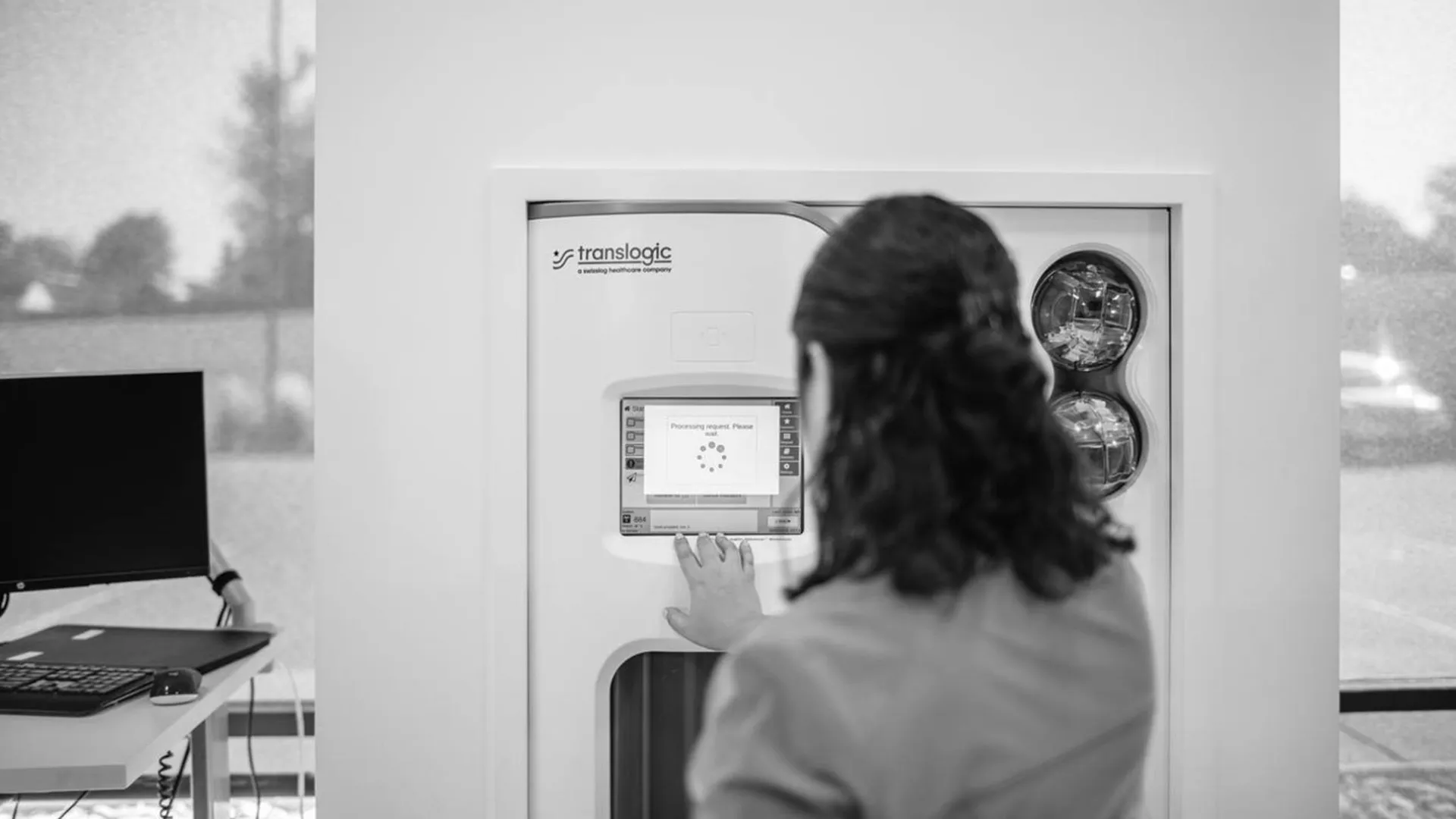
One technology that is well suited for blood transport in hospitals is the pneumatic tube system. Most hospitals already use pneumatic tube systems to transport a wide range of materials throughout the hospital network. Everything from pills to liquid medications can be efficiently moved through the tube systems and delivered to the correct stations. This includes blood, which can quickly be transported to a ward or operating room for use in transfusions or to the lab for processing and analysis.
It is important to note, however, that some of the older pneumatic tube systems that have not been upgraded may not be ideally equipped to handle blood in ways that adhere to today’s best practices. Newer systems with updated components, however, have evolved to meet the most stringent handling and transport requirements, including the following:
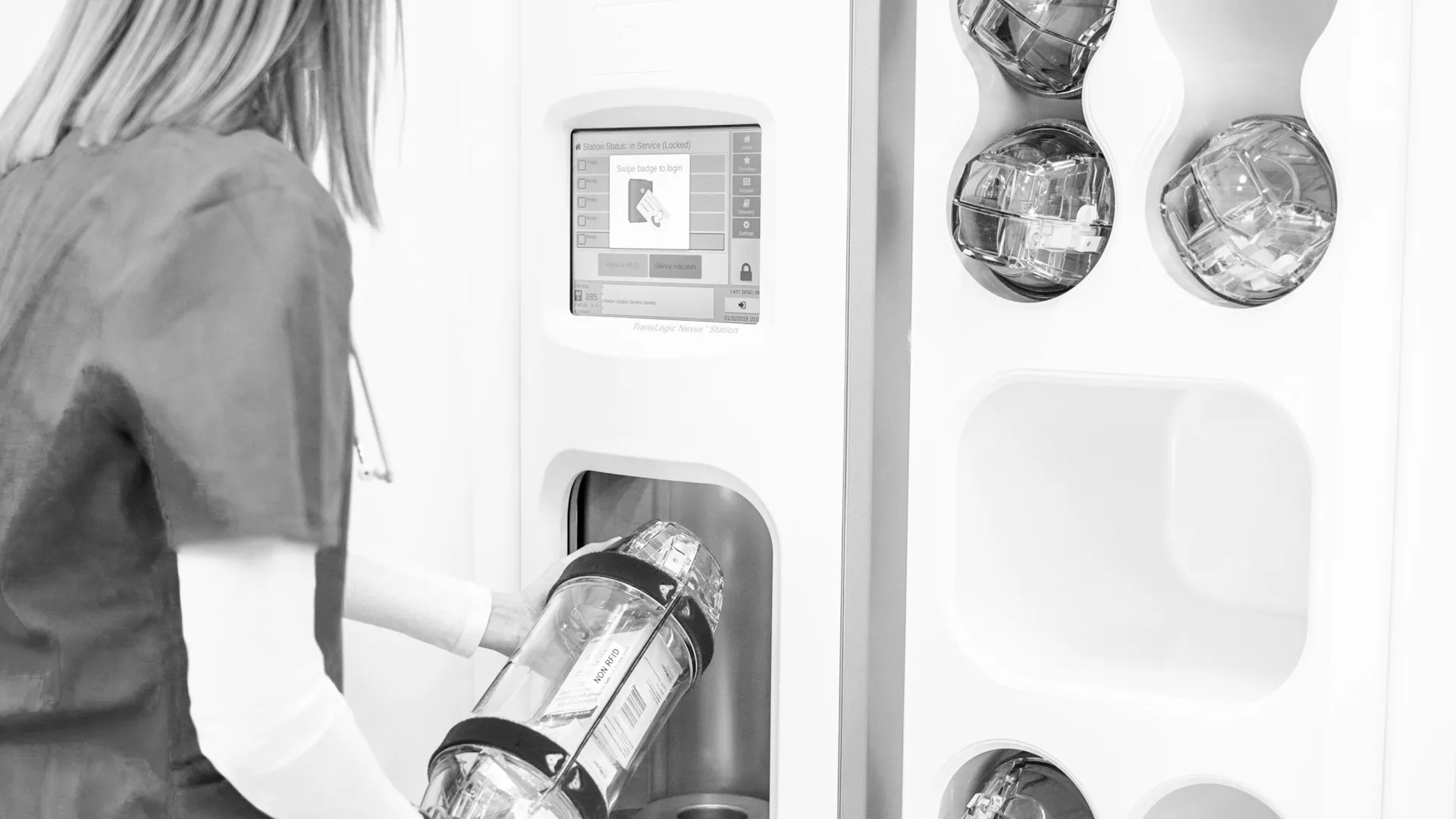
- Chain of custody visibility, through the use of RFID badge readers to identify the individual handling the material, proper labeling to identify it, and tracking through every phase of transport.
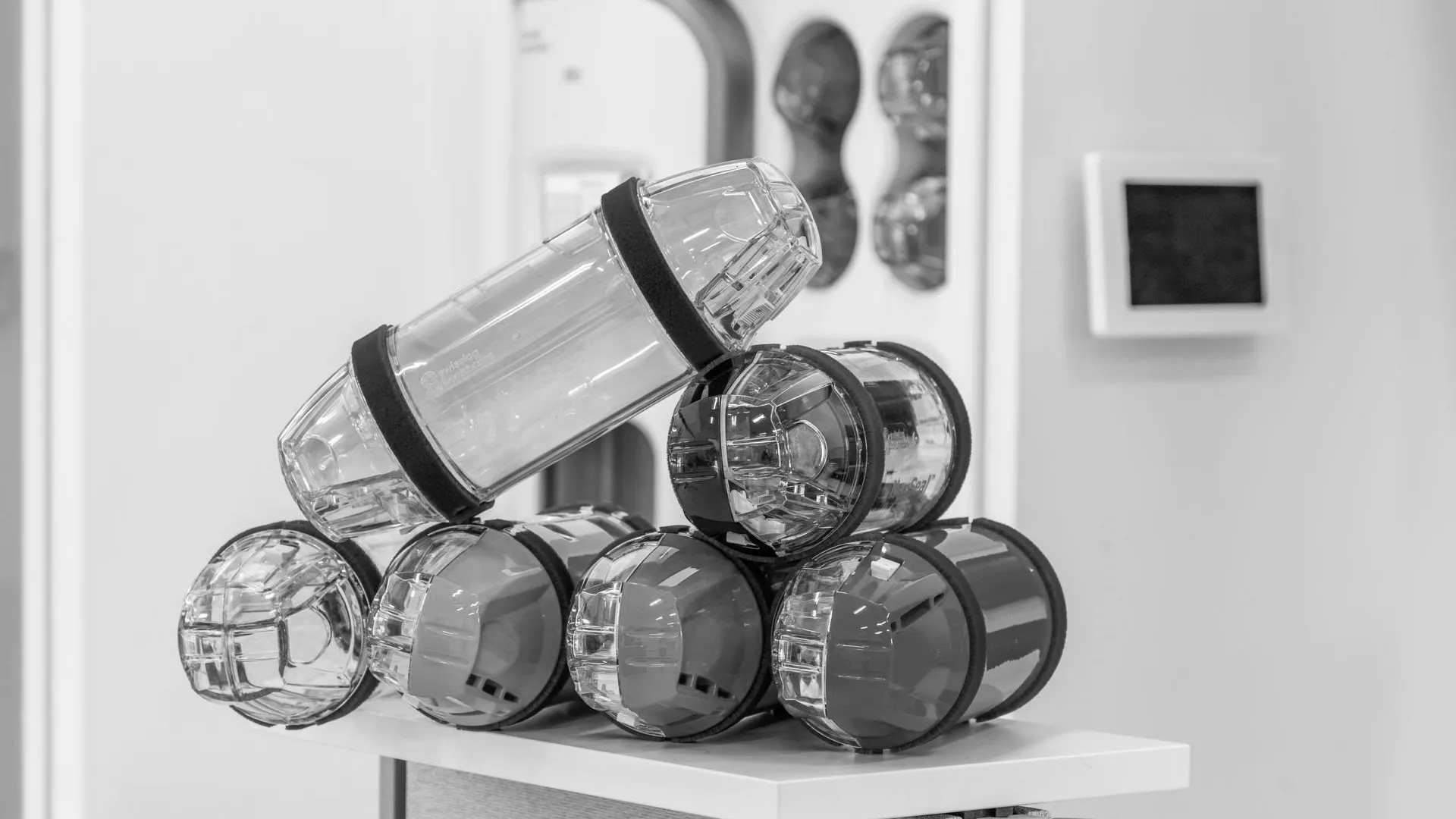
- Carriers that are leakproof and transparent to enable visibility of contents.
- Reporting to review ongoing system efficiency and chain of custody information.
- Variable speed technology that moderates speed to protect the payload.
Blood Transport Questions to Ask
As pneumatic tube systems continue to evolve to meet a high degree of reliability and consistency in transporting sensitive materials, more hospitals are trusting them to transport blood. That doesn’t mean, however, that you should begin using a pneumatic tube system for blood transport without fully vetting your existing system and, if necessary, purchasing a new one. Before you make a move, here are five questions to ask your provider:
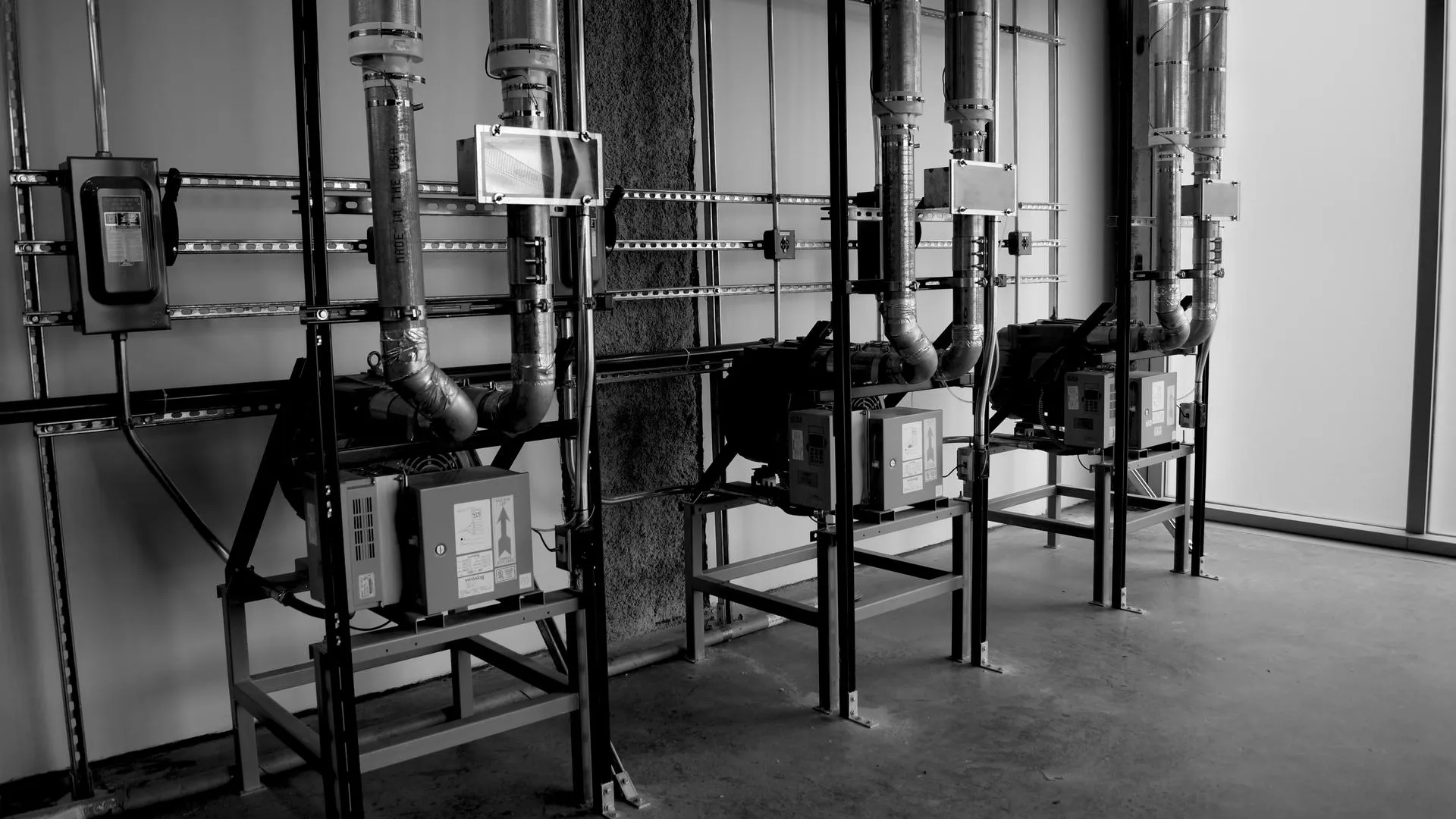
- How is the temperature controlled? The tube system should be located in a temperature-controlled environment within the infrastructure of the hospital.
- How secure are the carriers and stations? Carriers should not only be leak proof but should also be padded to provide stability. They should be easy for clinicians to open and close securely. Stations should be locked and/or require badge identification for access.
- Can you ensure smooth transport? Look for systems engineered to keep the blood safe and intact. Ask about programming with variable speeds to keep the blood from coagulating.
- Do you provide full chain of custody visibility? Make sure they include timestamps to show time lapses and ensure expeditious delivery. RFID badge readers and tracking should also be in place to ensure chain of custody visibility.
- How do you ensure optimum system performance? Your supplier should provide a comprehensive maintenance support plan that includes regular system updates and 24/7/365 access to skilled technicians.
Putting The Hospital Tube System To Work
Pneumatic tube systems have been used by hospitals for decades to quickly, efficiently, and safely transport sensitive materials throughout their facilities. Some of the newer tube systems have been designed or upgraded to ensure safe, secure transport of blood.
When evaluating the use of tube systems for hospital blood transport, look for those that can be integrated with your other hospital systems and operations. Ask your provider to demonstrate how their pneumatic tube system can move your blood and other sensitive materials more swiftly, safely, and efficiently than manual transport.
New systems and those upgraded with new components make the automation of blood transport a viable option for hospitals. For those who make the move away from outdated manual transport, the benefits are considerable. Pneumatic tube system transport of blood will not only bring increased efficiency, cost reduction, and a more secure delivery, it will optimize the use of clinicians and other key personnel, providing for a higher quality of patient-centered care.