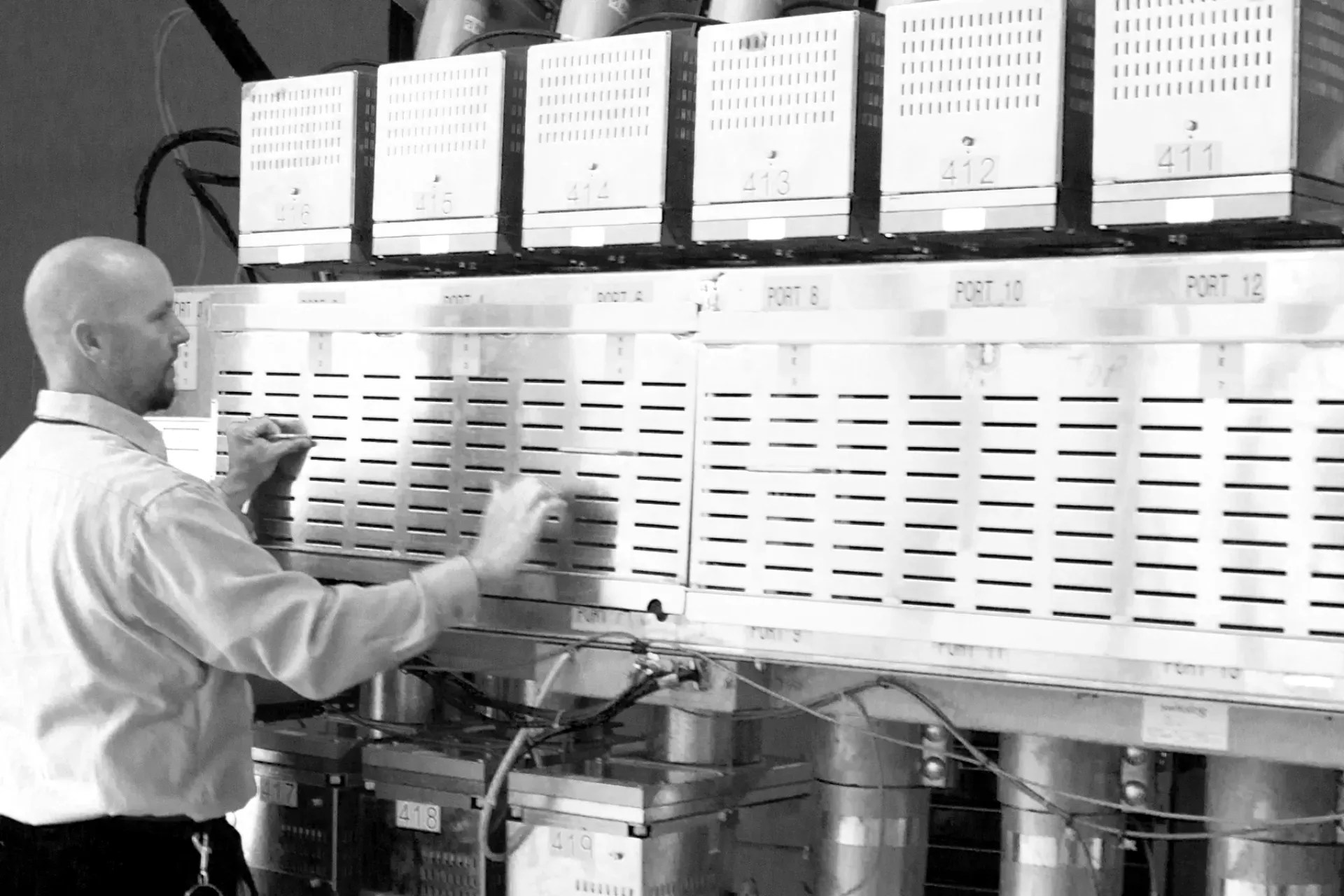
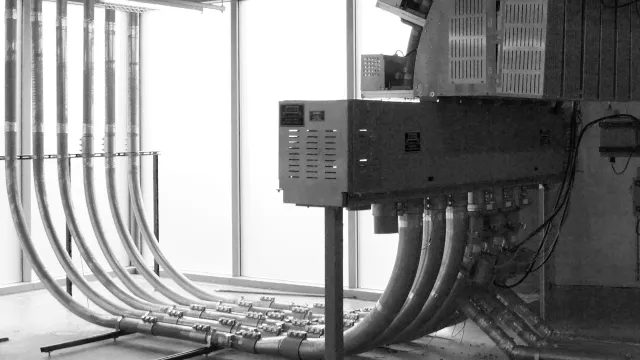
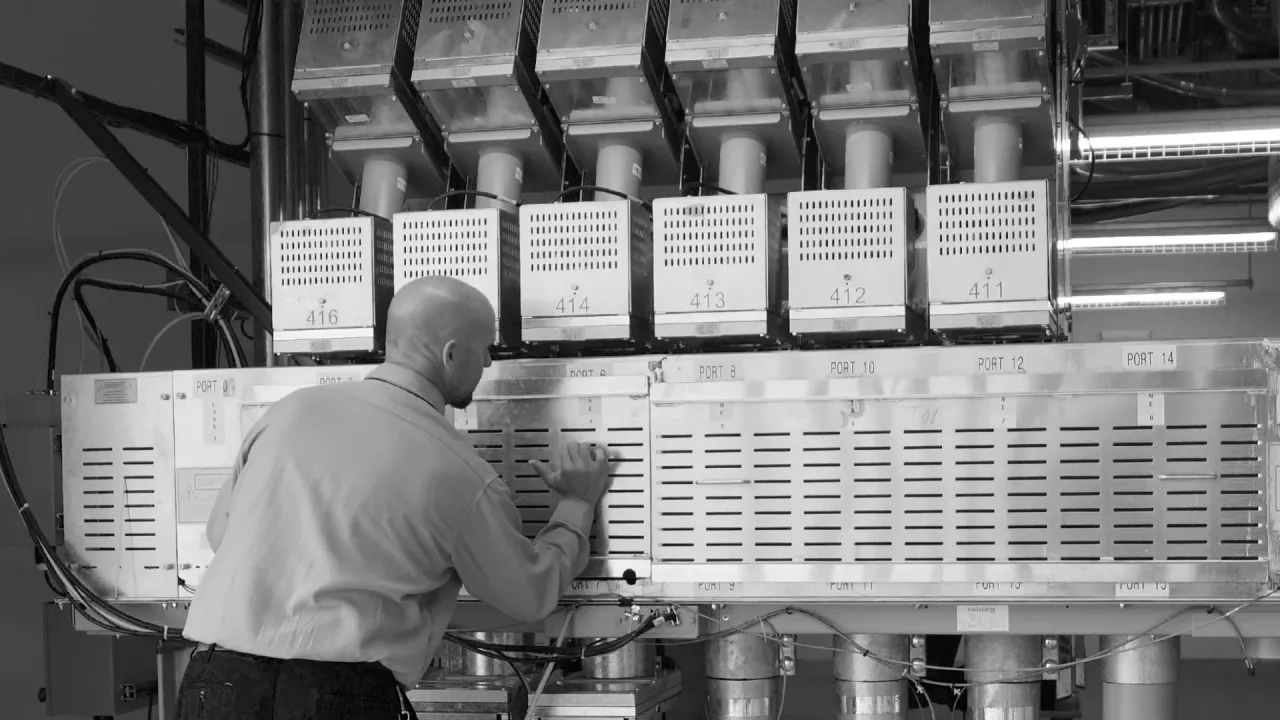
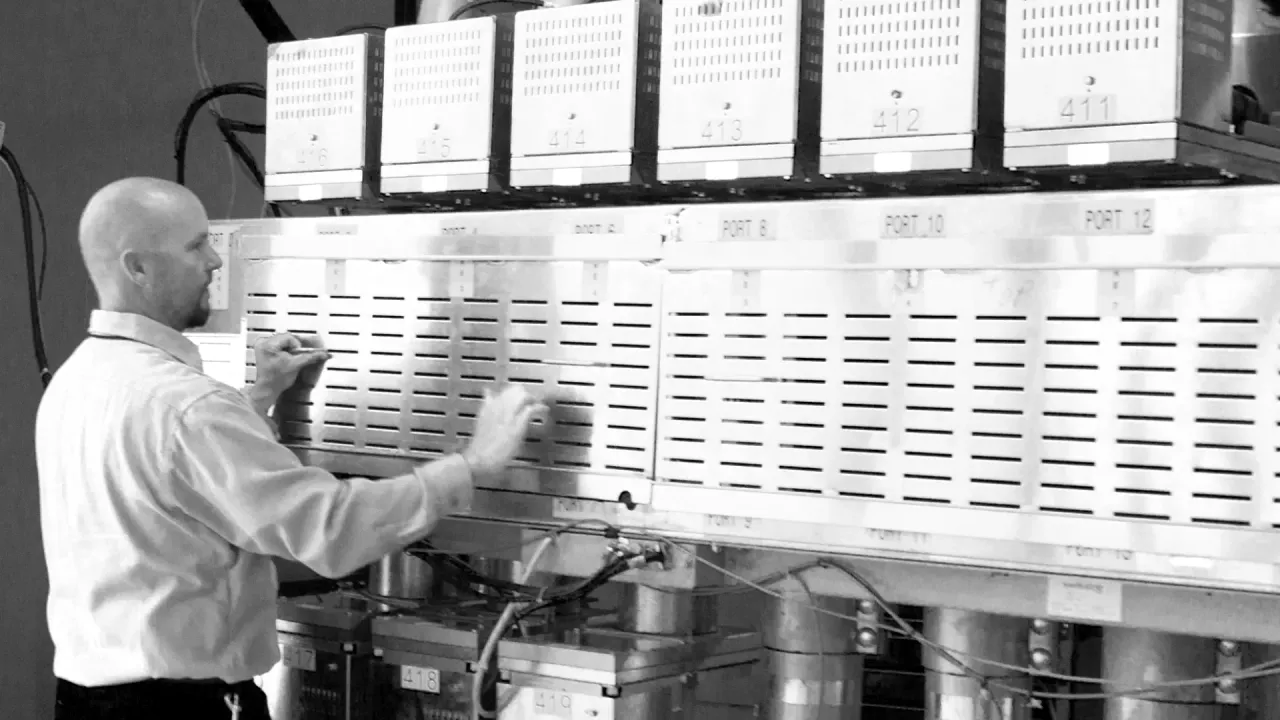
Xpress MTU with a technican
EXPERT PERSPECTIVE

Built for Growth: How Xpress® Technology Makes Hospital Organizations More Flexible

Blog 2 of 4

Hospitals are preparing for a period of significant growth and transformation, not only in how they deliver care to a broader, more diverse patient population, but also in how they adapt their physical infrastructure to meet evolving demands. These demands include enhancing patient safety, optimizing the workforce environment, and improving patient outcomes. And they must be met while improving efficiencies to help reduce the overall cost of care.

This transformation involves rethinking care delivery models by integrating advanced hospital technologies, and redesigning workflows to support the workforce with greater efficiency and responsiveness. At the same time, hospitals are investing in a more flexible, scalable infrastructure that can accommodate future expansion, support emerging care models, and efficiently meet the increasing complexity of patient needs. 

Reading Time: 5 min.

Paul Ristuccia | 4/9/2026

Pneumatic tube system technology must adapt to keep pace with change and growth.

Pneumatic tube systems have been in use in hospitals for many decades, and are well established as the go-to method for  efficiently transporting medications, specimens, blood, and other materials throughout the hospital. 

But things are changing. Decades old buildings are being re-evaluated as to how they can be altered to support a more patient friendly design and to provide greater efficiency for staff. Even urban hospitals in congested areas are adding new wings blocks away to enable expansion. 

Central to the hospital growth and expansion is the need to continue to efficiently transport vital materials throughout the hospital, regardless of physical reconfigurations and expansion. To keep pace with growing demands, pneumatic tube systems need to be faster, more accurate, and more flexible to support evolving hospital designs and architecture. 

Most suppliers, however, are not meeting these needs. Yet hospitals report pneumatic tube efficiency challenges that must be addressed, as aging systems are slowing their ability to expand and grow. Key issues include:

  • Inflexibility and limited scalability of outdated systems
  • Space limitations
  • Network congestion during high-demand periods
  • Delays in delivering critical items
  • Challenges in managing multiple transport carriers

TransLogic system design experts address these challenges and more with Xpress. 

Xpress MTU

Drawing on over 100 years of experience, TransLogic continues to be at the forefront of pneumatic tube transport automation. Now, with its new generation of pneumatic tube systems, Xpress, TransLogic is redefining the flexibility of hospital materials transport as we know it, dramatically boosting speed and efficiency while saving valuable hospital space and supporting expansion. 

Here is how Xpress is meeting the demands for flexibility and growth:

  • Advanced architecture allows a new system to overlay and integrate with an existing system enabling a seamless upgrade of older technology. This can support changes in design and repurposed spaces.
  • High speed transmission serves more departments. Advanced queuing and staging has enabled speed increases reported up to 99% faster, serving high traffic labs, pharmacies, and emergency departments more efficiently. 
  • Efficiency optimized design dramatically increases efficiency by enabling up to six carriers to be sent simultaneously to their destinations. It also provides more flexibility for employees to handle a wider range of tasks.
  • Space saving configurations replace multiple bulky stations with a single station designed to handle multiple carriers, freeing up space in tight areas. 
  • Enhanced system design enables transmission distances of up to a mile or more to serve geographically disbursed hospital facilities. This is especially useful for urban hospitals that need to expand outside their immediate campuses.

Real life scenarios illustrate the measurable difference Xpress is making in hospitals.

Below are three use cases that address the materials transport challenges brought about by hospital growth and changing hospital designs. 

Case #1: A hospital using Xpress to accommodate an expansion:

A hospital was building a new tower to relocate and expand their emergency department, add acute care, and increase the number of ICU beds. The lab was also undergoing renovation.The main pharmacy was being moved to the new tower along with transfusion services, which had been collocated in the existing lab space. The number of transactions was expected to grow considerably.

The new tower was built 1,000 feet from the lab. This  meant it would require fast transmission between all units with stations in the lab and transfusion services. They needed to retrofit and expand their older pneumatic tube system to service the new tower. They also needed to increase the transfer speed.

Xpress was able to easily overlay the old system and extend the reach of transit. Xpress stations centralized the workflow in the newly redesigned lab. It also dramatically improved speed. No other system was able to tackle this complex challenge.  


Case #2: A hospital using Xpress to accommodate a consolidation:

A hospital was undergoing a major expansion, which necessitated consolidating several different types of labs, which had been located over two floors, as well as the blood bank and pharmacy. All had to move to a new building.

Xpress stations in the lab and pharmacy facilitated traffic across the increased distance between the hospital to the new dedicated building. All areas were connected to Xpress with faster, more efficient transport delivery.


Case #3: A hospital using Xpress to accommodate space limitations:

A hospital was consolidating two labs into one, locating them in a new lab building about one mile from the main campus. They needed their pneumatic tube system to seamlessly link the buildings and accommodate the newly consolidated labs.

The Xpress system was able to handle the consolidation and cross town transport, using only two stations. Transmission speed was increased and efficiency greatly enhanced. 


Xpress should be part of your hospital's strategic growth plans.

In the face of rising demands and rapid transformation, hospitals can no longer afford to rely on strategies that include the use of old, inflexible technologies. Those that do risk falling behind as more agile healthcare systems adopt to embrace emerging best practices with technologies focused on meeting the evolving needs of today’s patients.

Today’s hospitals must embrace a more collaborative, innovation-driven approach to their operating environment with flexible, scalable designs supported by technology to promote high-quality care at every touchpoint.

TransLogic has long set the standard in pneumatic tube system innovation, with a 30-year legacy of advancing materials transport in healthcare. Now, with the launch of Xpress, they have transformed decades-old technology into a flexible, next-generation platform built for today’s fast-paced and highly dynamic hospital environment. 

It is time for hospital leadership to put greater focus on a thoughtful evaluation of how technology can align with and accelerate their hospital growth strategies. This should include their pneumatic tube systems. With its unmatched speed, efficiency, and reliability, Xpress is purpose-built with the flexibility to support new hospital designs and the demands for greater efficiency in patient care, helping hospitals move forward with strategies that build a more sustainable, confident future. 

You might also be interested in this

Xpress the Data is in
Xpress MTU with technicianINDUSTRY TREND

The Data is In: Xpress Technology - Blog 1 of 4

Staggering Improvements in Hospital Pneumatic Tube System Efficiency

Talk to our experts

Contact our knowledgeable specialists to discover how our range of automation solutions can boost efficiency, reduce costs and enhance care at your healthcare facility.

Contact us