You might also be interested in this
EXPERT PERSPECTIVEThe Data is In: Xpress Technology - Blog 1 of 4
EXPERT PERSPECTIVE
Today’s rapidly changing healthcare landscape is putting enormous pressure on hospitals to build strategies based on a long-term vision that fosters innovation, optimizes resources, and supports future growth. Hospitals must prepare to serve a larger, more diverse population while improving patient safety, outcomes, and the work environment for employees. All this must be accomplished while controlling costs and increasing operational efficiency.
Reading Time: 6 min.
Paul Ristuccia | 5/7/2026
Developing a successful long-term vision that covers all evolving focus areas including those above, requires re-evaluating and updating how care is currently delivered throughout the hospital, which can involve redesigning workspaces and workflows. Integrating advanced technologies, such as AI, will become key to developing a more responsive, efficient workforce. All this must be supported by a more flexible, scalable infrastructure with the agility necessary to provide a wider range of healthcare delivery mechanisms, while accommodating future expansion.

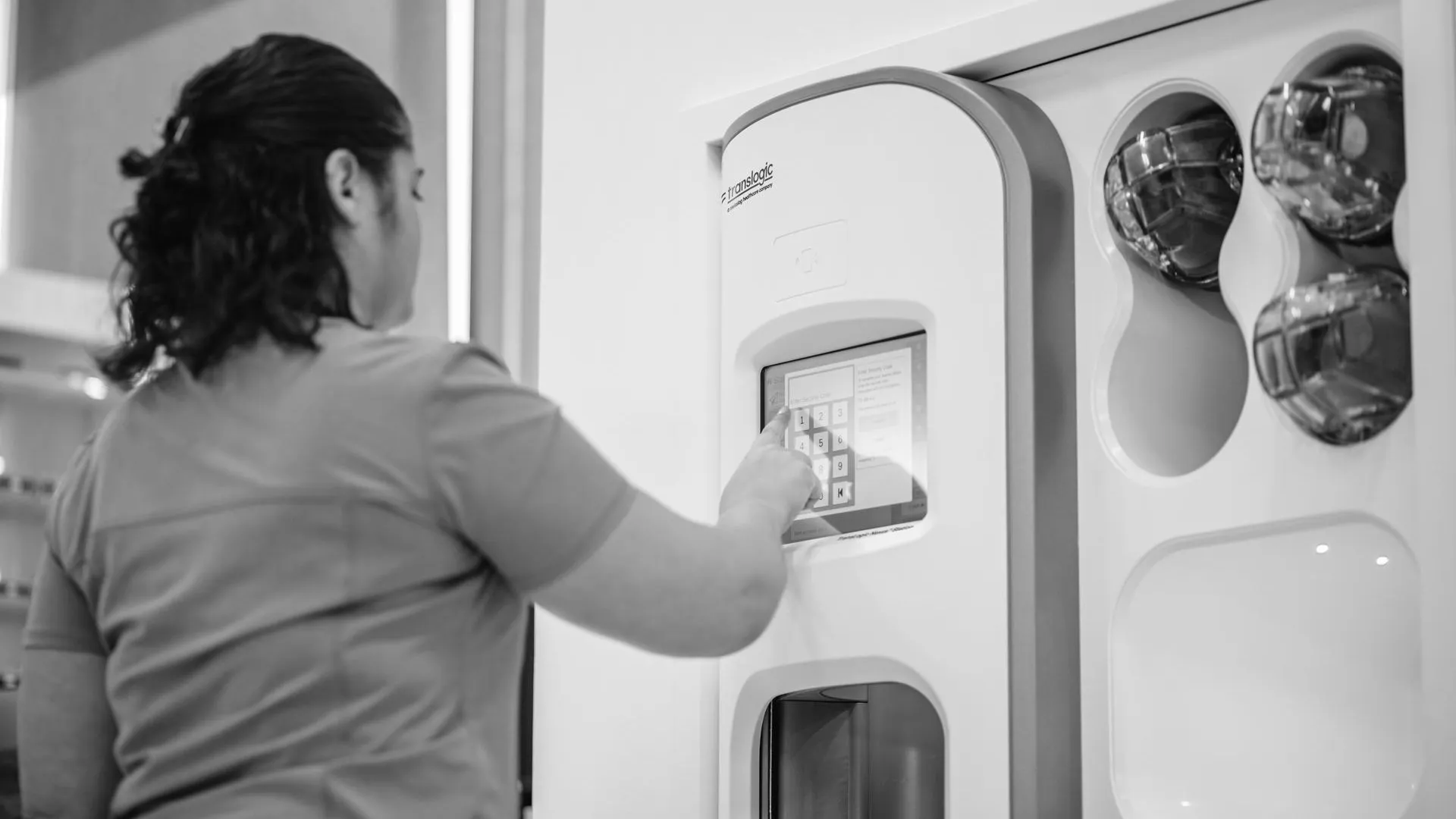
Pneumatic tube systems, used in hospitals for many decades, are well established in their ability to efficiently transport medications, specimens, blood and other materials throughout the hospital. As hospitals evolve to meet the demands of the future, however, these systems will need to become smarter, faster, and more adaptable. This includes the ability to handle higher volumes and integrate with digital workflows.
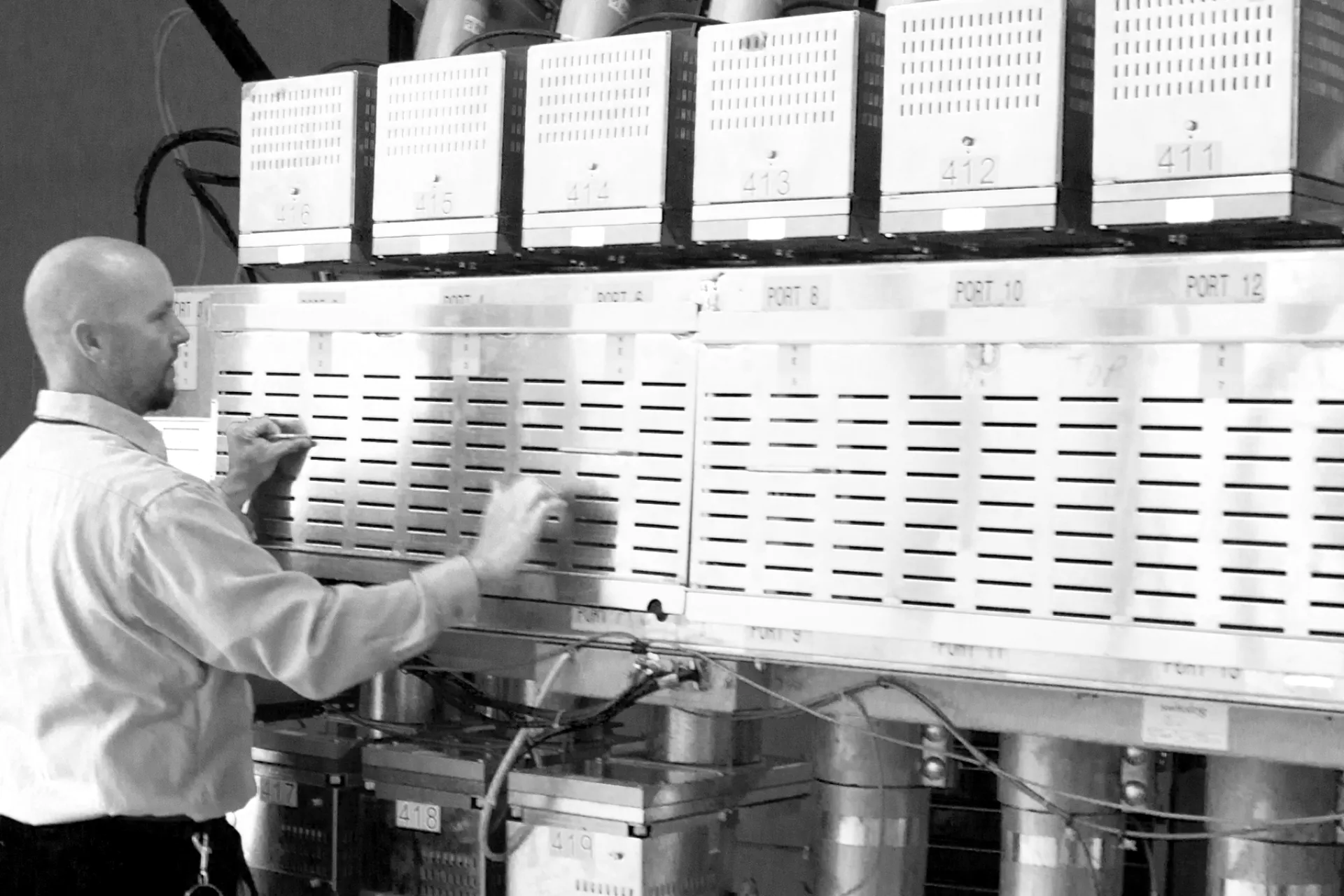
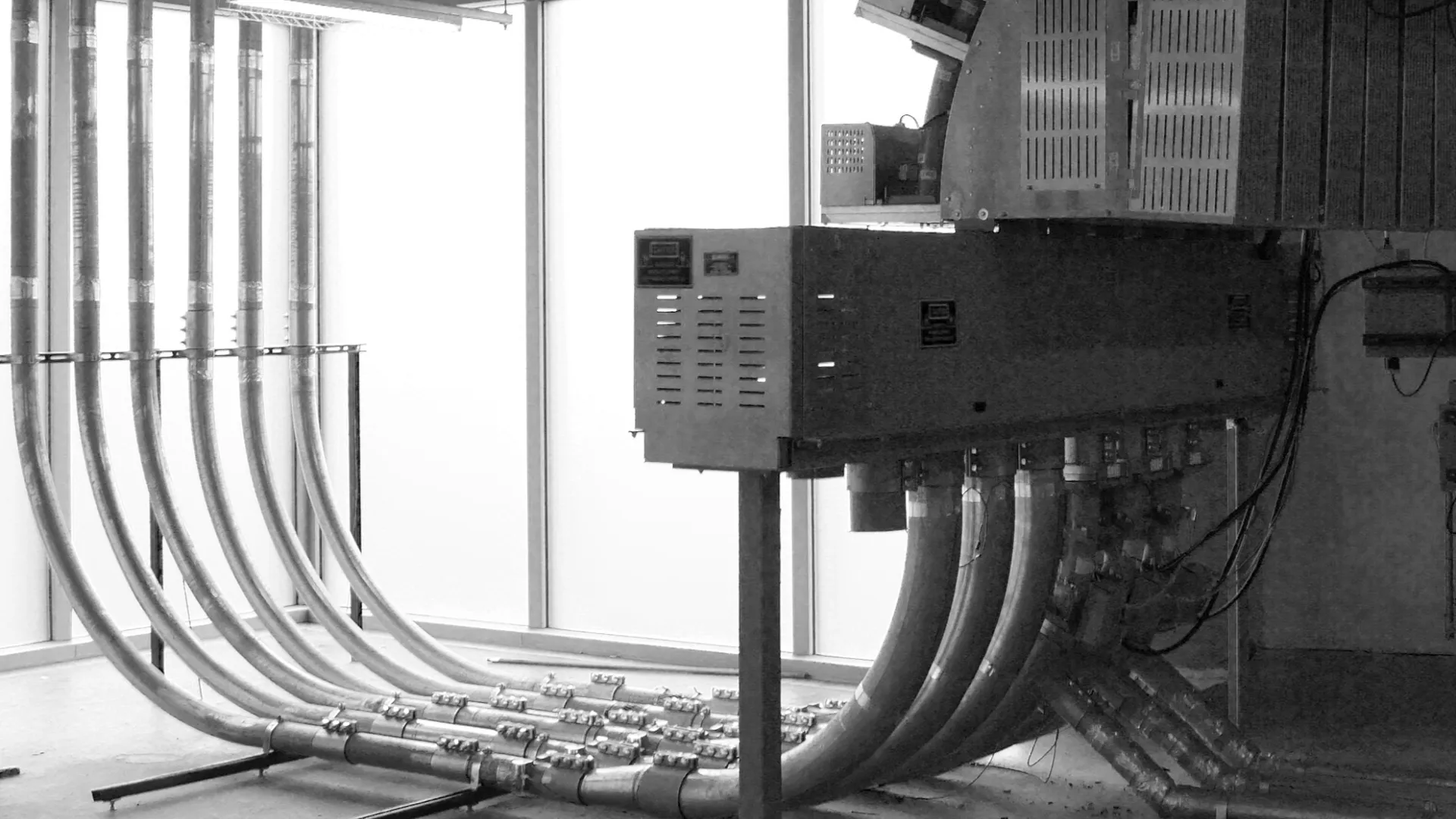
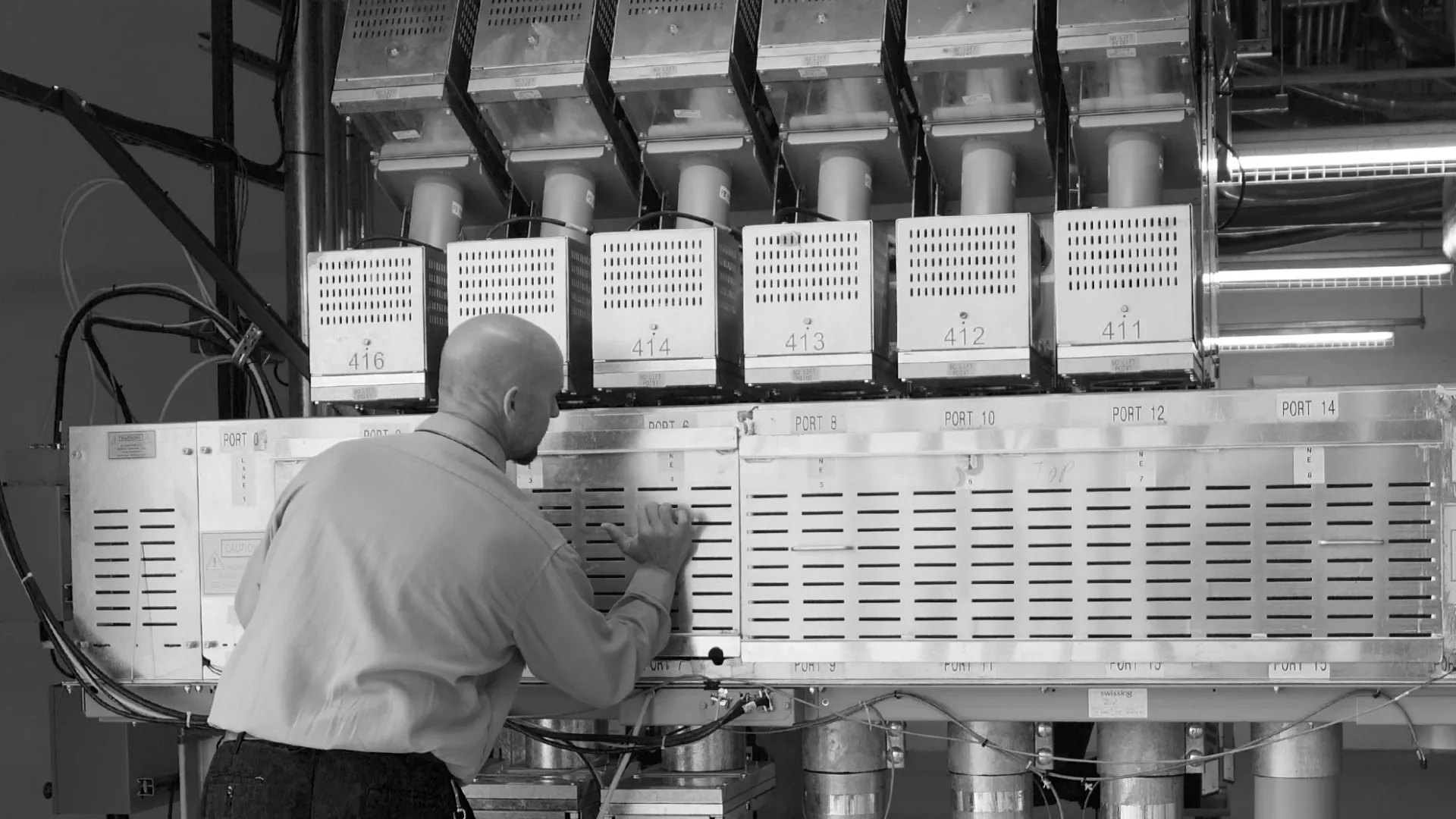
TransLogic maintains its leadership in the transport automation technology space with the introduction of its next-generation pneumatic tube system, Xpress. This advanced platform enhances operational efficiency on several levels, accelerating material transport, optimizing facility utilization, and providing the scalability needed to support evolving healthcare demands and future expansion.
Our Design Assist services bring technical expertise into the design process to improve efficiency, serviceability, and long-term performance. Engaging Design Assist during pre-design or schematic phases allows teams to take a consultative approach that looks beyond drawings to support the overall system vision and avoid future challenges.
Using tools such as simulations and 3D modeling, Design Assist helps ensure proposed designs align with space planning, performance, and operational needs. Early collaboration ultimately leads to a more effective and constructible design.
Xpress helps hospitals gain the agility, efficiency, and reliability needed to support long-term vision.
To remain competitive in the years to come, hospitals must increasingly focus on developing a long-term vision that puts them ahead of the curve, and enables them to keep pace with future growth and rapidly evolving healthcare needs.
Strategic planning is essential to support long-term vision, not only for expanding capacity but also for designing facilities, workflows, and technologies that can adapt to changing patient populations, emerging care models, and increasing workforce demands. By prioritizing a scalable infrastructure, operational efficiency, and effective resource management, hospitals will be better positioned to deliver high-quality, efficient care well into the future while remaining resilient in the face of ongoing challenges.
Flexible, intelligent pneumatic tube networks will help hospitals maintain best practices in efficiency, leaning into a more agile care environment that ensures transported materials reach the right place at the right time in an increasingly complex care environment. By integrating Xpress into long-term planning, hospitals will be better prepared to meet the challenges that lie ahead in the next generation of healthcare innovation.

EXPERT PERSPECTIVE
EXPERT PERSPECTIVEContact our knowledgeable specialists to discover how our range of automation solutions can boost efficiency, reduce costs and enhance care at your healthcare facility.
Contact us