Drug Costs Are Increasing
A 2023 Department of Health and Human Services (HHS) report states that costs for drugs are increasing dramatically, some as high as 500%. This sharp increase creates significant challenges for today’s hospitals, most of which are still recovering from the pandemic and operating on razor-thin margins.
Adding to the increased cost of drugs is a drug shortage not seen at these levels since 2014. The American Hospital Association cited recent findings by the ASHP (American Society of Health-System Pharmacists) which tracked 323 active drug shortages during Q1 of 2023. That number surpasses the previous record of 320 active drug shortages in 2014. These drugs include chemotherapy and emergency medications often found in crash carts and procedural areas, according to ASHP CEO, Paul Abramowitz.
Due to this increase in market volatility, large hospitals are quick to reorganize their internal workflows better weather these costs, but it's not without some investment in terms of process evaluation, new pharmacy automation technology, and internal transport logistics.
Reducing Medication Waste Is Key To Reducing Costs
Hospital leaders have struggled to identify areas in their pharmacies where they can tighten processes, optimize inventory, and save money, while continuing to provide quality care to their patient base.
Cutting down on medications waste is one key area that can make an impact. This waste can be found in disposal of partially empty blister pill packs, half-used vials of medicine, lost or damaged pills during medications passing processes, and diversion. Therefore it isn’t surprising that every year, U.S. health systems lose billions of dollars in medications waste.
Can A Centralized Hospital Pharmacy Model Reduce Waste?
Many hospital pharmacies are working to tighten up processes through pharmacy automation and centralization. How is this helping to reduce waste and save money?
There are four key benefits to a centralized hospital pharmacy which may contribute to the reduction in medications waste:
- Accuracy. A good example of increased accuracy in a centralized pharmacy can be found in those using automated pharmacy models that incorporate robotics. This automates the separation and packaging of medications. Some systems can extract unused pills from blister packs and return them to their original canisters, eliminating the need to destroy them. One study of 21 hospitals, cited in Hospital News, found that recycling of medications could save the hospitals an estimated $415,000 annually, while also reducing negative environmental impact. A centralized pharmacy model can also help remove the potential for human error. Using software, pharmacists can optimize inventory levels for each medication. Tracking expiration dates helps minimize unused and expired inventory which otherwise would result in more waste.
- Standardization. Centralized storage of medications enables clear stock control and standardizes all processes involved in ordering, delivery, and management of medications. Furthermore, inventory protocols can be uniformly established.
- Efficiency. Centralized hospital pharmacies eliminate the need for individual management across multiple medications stations. They eliminate the need to maintain multiple storage units and to conduct ongoing training of staff in medications management. This helps minimize waste and frees up time for these valuable employees to serve patients. Some centralized pharmacy systems can be calibrated to detect when inventory falls beneath a certain level and automatically initiate a refill order to the supplier.
- Security. Consolidating all medications packaging in a single secure area helps reduce the potential for lost medications and diversion, both of which contribute to waste.
The cost of disposing of medications waste should also be considered as it must be conducted in accordance with the stringent set of rules and protocols set by the Environmental Protection Agency (EPA). Centralizing these activities helps reduce the number of workers and processes required to dispose of waste.
The Role of Pneumatic Tube Systems In Central Pharmacy
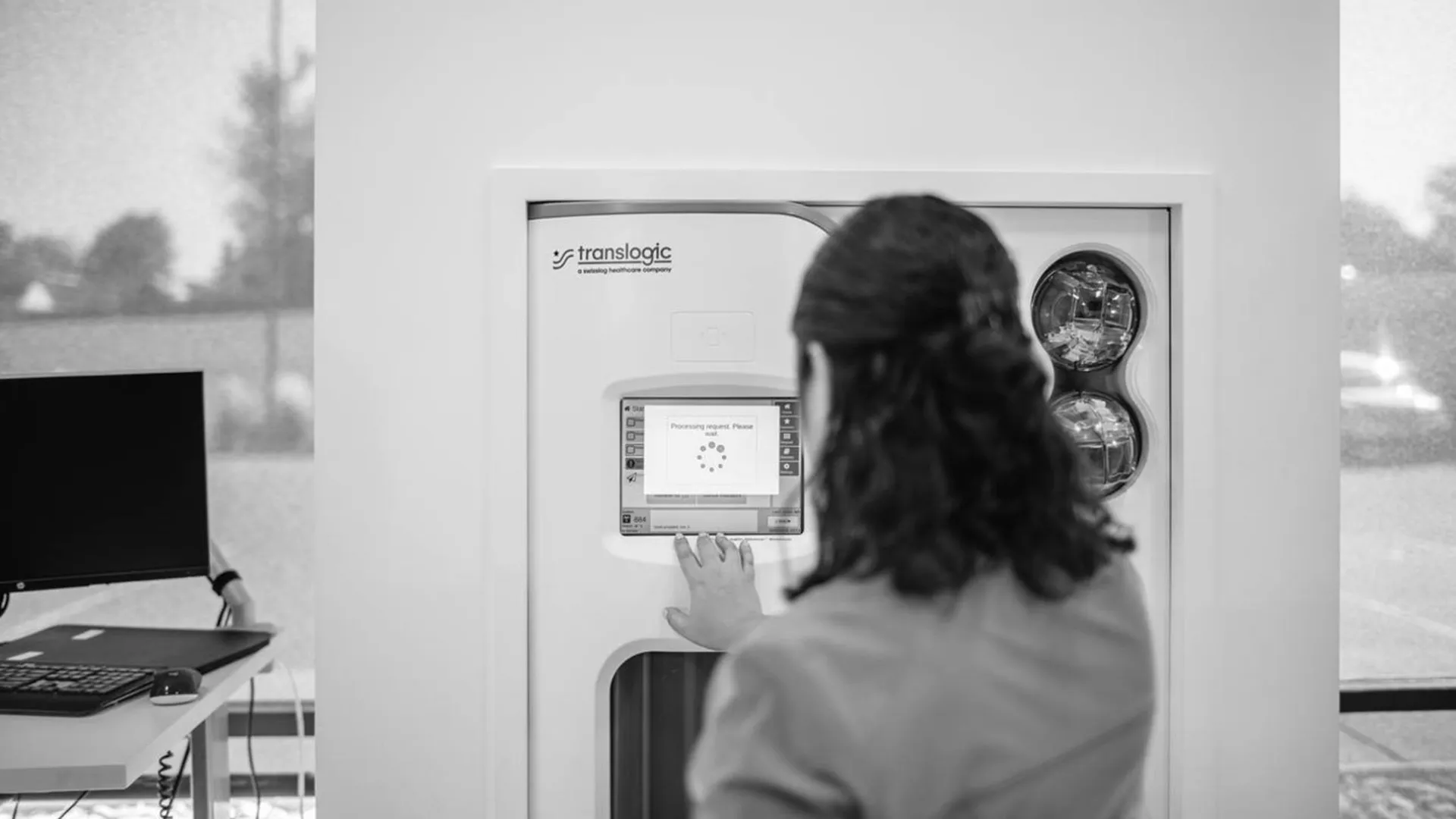
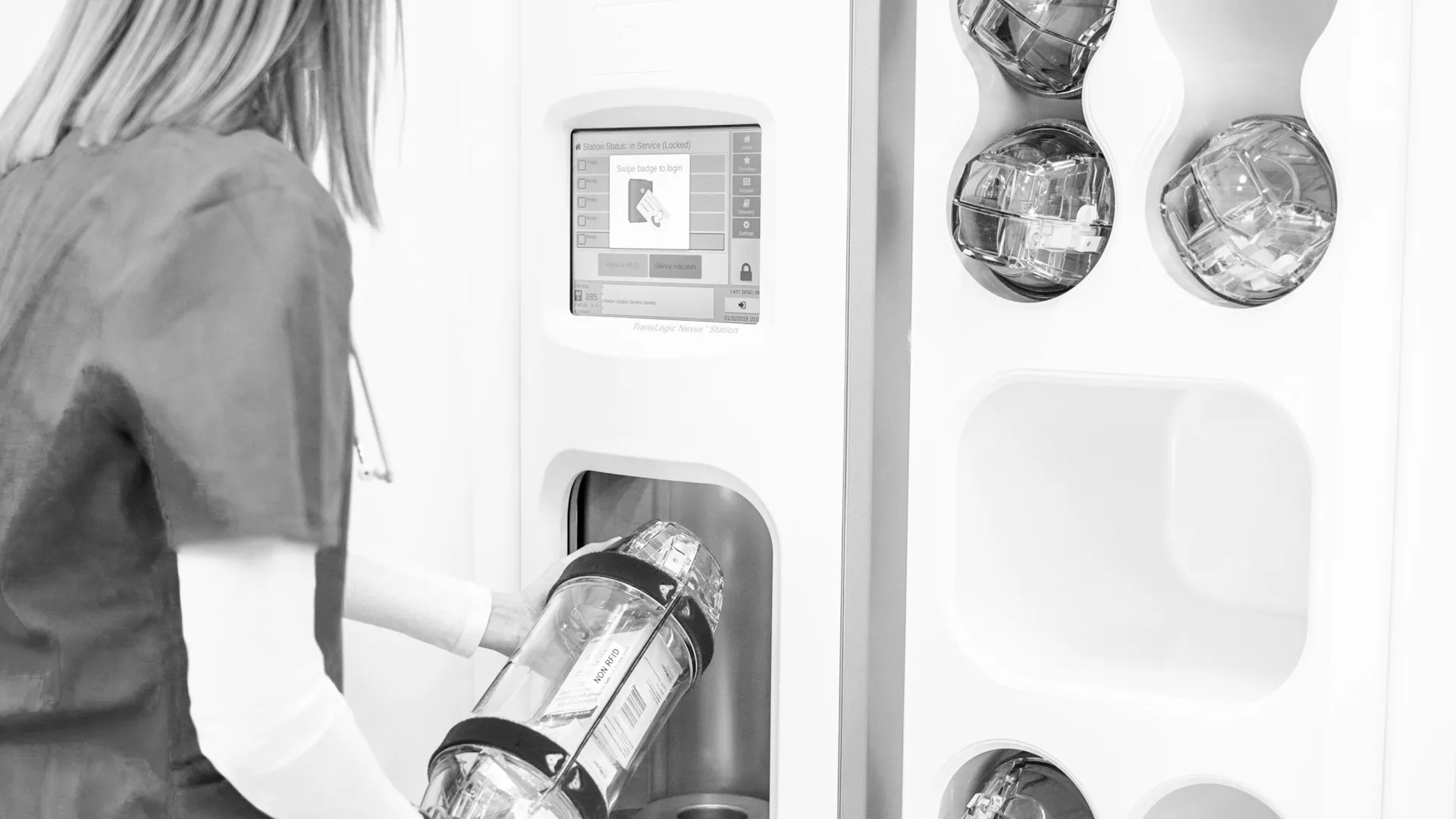
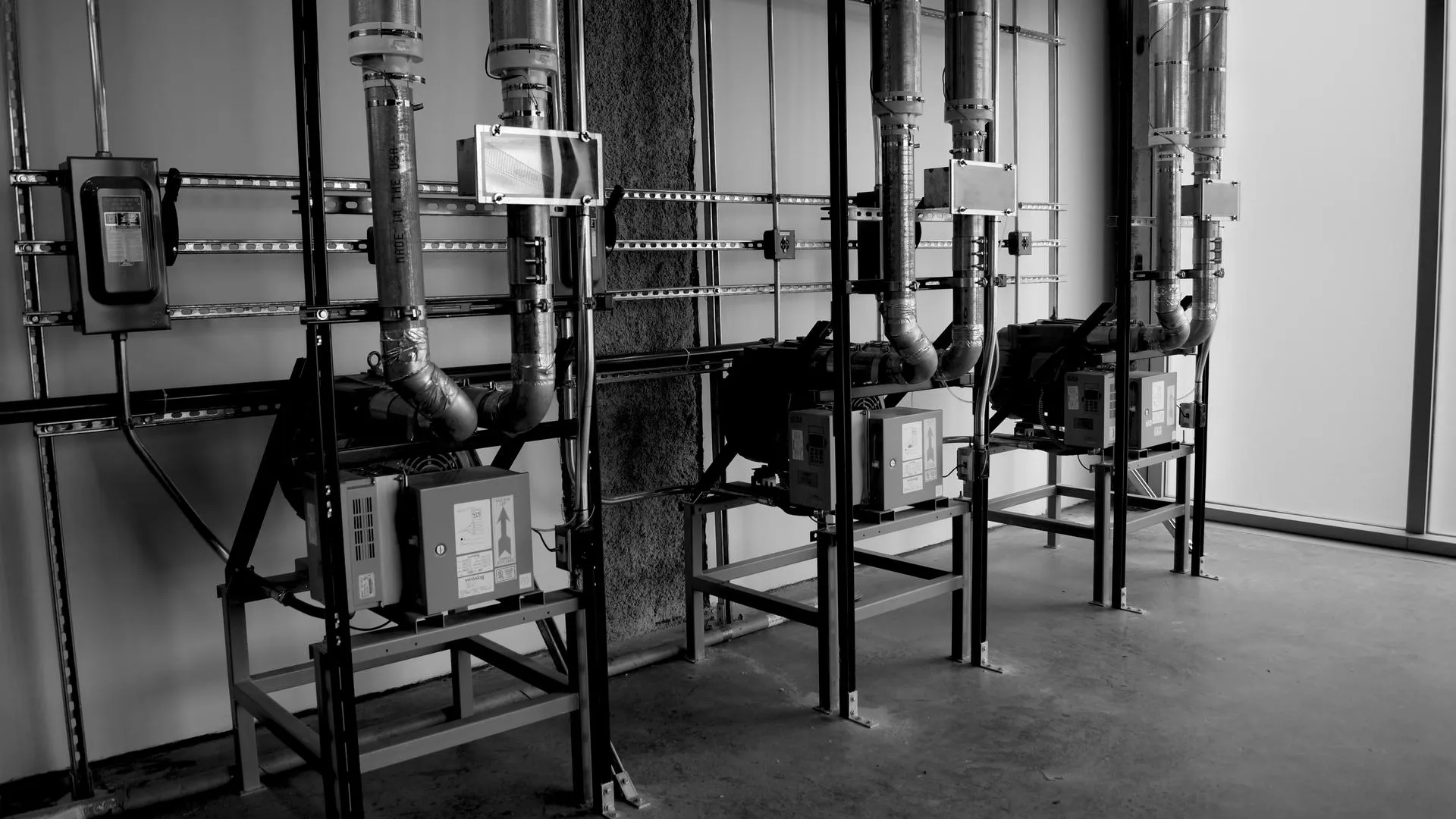
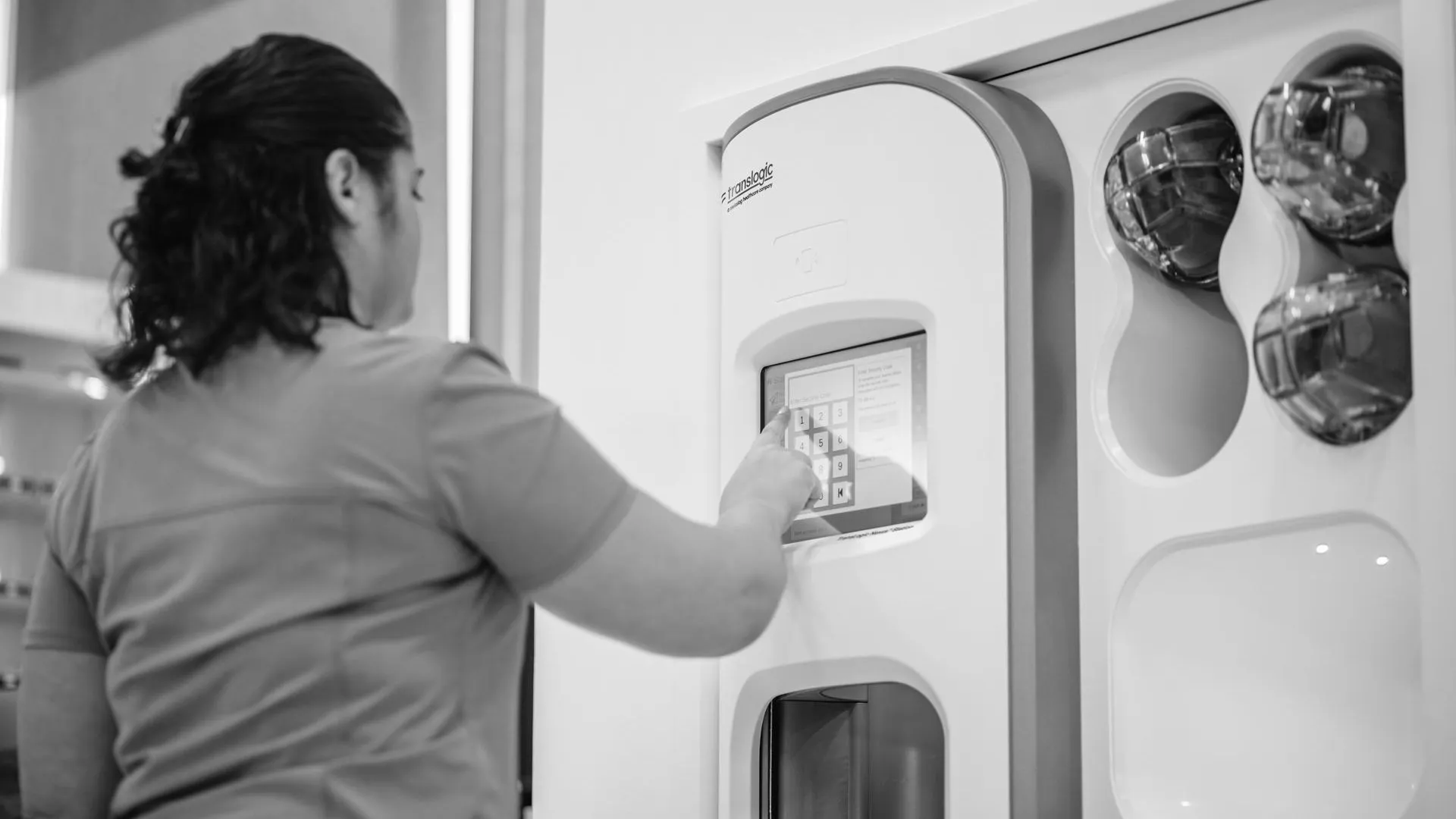
In our webinar "Considering CSCs and ISCs With SMEs", we speak with Indiana University Health to evaluate the centralized pharmacy approach in the real world. However, to truly realize the benefits of this approach, a robust modern pneumatic tube system is necessary. In large hospitals, pneumatic tube systems make thousands of transactions per day — many of which come from the pharmacy.
RFID-enabled tracking, multi-carrier sends, and software controlled transfer units all help to pass the efficiencies gained in the pharmacy on to workflows around the hospital. Essentially, the pneumatic tube system acts as the hospital's super highway helping connect the internal supply chain.
Centralized Hospital Pharmacies Can Help The Bottom Line
Each of the above areas can directly or indirectly impact a hospital’s bottom line. As mentioned earlier, medication waste costs billions of dollars every year. While no hospital will be able to completely eliminate waste, the combination of centralizing control, using automation and maximizing security can go a long way towards reducing it.
The centralized pharmacy model, when implemented and managed correctly can result in considerable savings as well as providing a more secure, efficient platform for medications procurement, storage, management, and dispensation.
Is a Centralized Pharmacy Right For Your Hospital?
There are several factors to consider when making the decision to adopt a centralized versus a decentralized model for your hospital pharmacy. Larger facilities with sufficient central space to house a fully automated system will be better equipped to handle a centralized pharmacy. Smaller hospitals may be better served by a decentralized approach. In some cases, a hybrid model may be a better fit.
There are benefits and limitations to all three formats, which is why they should be thoroughly analyzed as to how they fit your structure, patient care model, level of specialization, logistics, infrastructure, budget, and resources.
Regardless of which model your hospital chooses to adopt, ensuring that your pharmacy is optimizing its medications management processes is key to minimizing waste and saving money, both of which are needed to succeed in today’s dynamic, demanding, and competitive healthcare industry.