Hospital Staffing Shortages in the U.S.
A recent Mercer report has examined several areas relating to the current and future forecast of hospital staffing shortages across the U.S. Overall, it forecasts a deficit of 100,000 hospital workers by 2028.
Where Are These Deficits?
A lack of nursing assistants, who account for the largest portion of the healthcare workforce, is one of the biggest hospital staffing deficits. Many NAs have been lured away by promises of better-paying positions in other cities or states. Others are leaving hospital work to pursue other areas of healthcare where there is less stress and more day-to-day consistency.
The outlook for registered nurse staffing is improving overall, with a surplus expected of over 30,000 by 2028, according to the Mercer report. There are many areas in the U.S., however, still experiencing hospital staffing shortages. New York and other East Coast states continue to struggle with acquiring and retaining nursing staff to sufficient levels. While many are retiring, others find it difficult to find affordable housing in metropolitan areas.
Where staffing shortages have really taken a toll is in rural areas. Of all the rural hospitals, which represent 35% of all U.S. hospitals, over 600 are currently at risk of closing.
How Are Shortages Impacting the Hospital Workforce?
Becker’s Hospital Review recently shared results from a Royal Philips Future Health Index survey which interviewed over 3,000 healthcare leaders regarding challenges brought about as a result of hospital staffing shortages. Findings include the following:
- Ninety-two percent of leaders reported deterioration in staff's well-being, morale and mental health.
- Eighty-one percent reported delays in care due to staff shortages.
And, according to a 2024 State of Nursing Poll:
- Sixty-three percent reported being assigned too many patients.
- Twenty-three percent reported being asked to handle tasks that lie outside their job descriptions.
How Are Hospitals Coping With Shortages and Workforce Issues?
The many issues resulting from hospital staffing shortages continue to challenge hospitals. Some hospitals have had to shut down wings or close completely. However, an increasing number of hospital leaders are managing to regroup and assess how they can use technology to fill staffing and skill set gaps in ways that can take advantage of innovation and boost the quality of care.
Automation is playing a greater role in filling staffing and skill-set gaps. The Royal Philips Future Health Index survey found that 88% of those surveyed believe that using technology to automate repetitive tasks is a critical part of addressing staffing shortages. It also found that 44% plan to implement automation for workflow prioritization within the next three years.
Below are four key areas where technology is helping to make more efficient use of a reduced workforce:
- Workforce Scheduling Tools and Platforms: One area where generative AI is making a difference for workers is in scheduling technologies. These enable the hospital workforce to dynamically access schedules and carve out a workweek that suits their financial and personal needs. It also helps on the management side to keep better track of employees as well as recruitment.
- EHR Platforms: AI is also helping to deliver faster access to more accurate patient healthcare records. This is improving things like patient diagnostics and reducing the need for clinicians to manually input and retrieve data from multiple sources for analysis. The EHR takes care of the basics, which enables workers to get back on the floor with patients more quickly.
- Virtual Care: Telehealth platforms rapidly became essential ways of triaging patient care during the pandemic, and their popularity continues to grow. Usage is up from 0.1% of all patient visits in 2019 to about 17% in 2023. Enabling patients to set their own appointments and follow up virtually with their physicians saves time and improves efficiency. That is why more hospitals are including virtual care in their operational strategies.
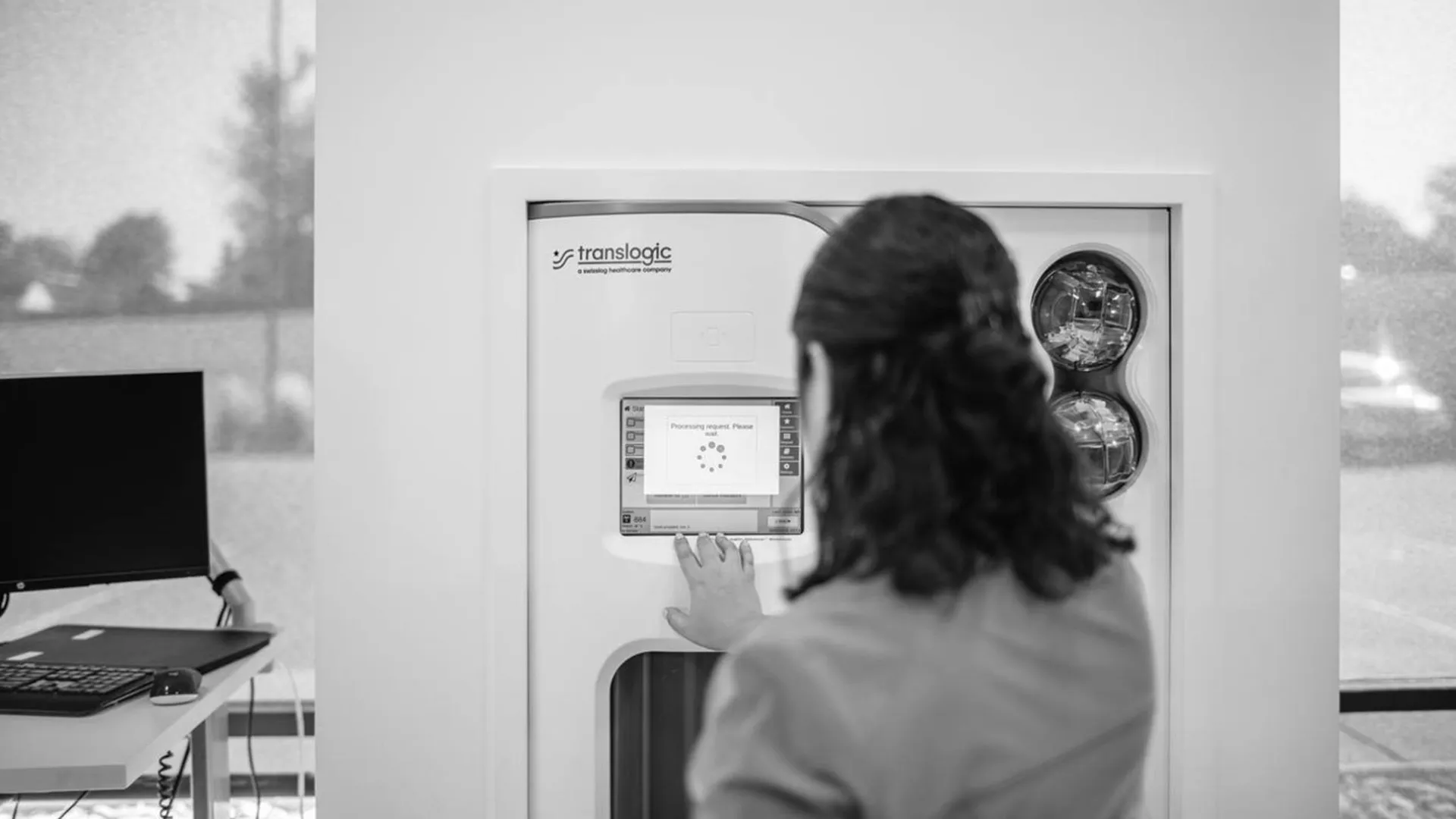
- Process Automation: Logistics software and systems improve hospital workflow efficiency, which increases both speed and accuracy. A good example can be found in pharmacy automation platforms and software comprised of integrated components, including robotics, working together to automate the process of procuring, organizing, and distributing medications.