

How Much Does Manual Transport Cost in Hospitals?

Uncover the true cost of manual transport across your hospital with our Manual Transport Calculator.​

Manual Transport Calculator​

user loading carrier

Manual transport affects almost every hospital part: moving patients, transferring specimens, delivering medications, and shifting equipment. While each trip seems inexpensive, the yearly total is often surprisingly high.

​​From an operations perspective, “manual transport” usually includes:

  • ​Patient transport by porter or orderly (bed, stretcher, or wheelchair)
  • ​Hand‑carried or cart‑based movement of specimens, blood products, medications, and supplies​
  • Ad hoc runs by nursing staff or lab technicians when no dedicated patient transport services team or courier is available​​

The true cost of manual transport exceeds wages; it includes resources such as labor, equipment, lost productivity, inefficiencies, and time that could be better spent on patient care.​

A Smarter Way to Move What Matters​

TransLogic pneumatic tube systems eliminate manual bottlenecks, accelerate delivery times, and enable your clinical staff to focus on patient care.​

FAQs Manual Transport Cost in Hospitals

How do you calculate hospital transport costs?

Use our Manual Transport Calculator to estimate the annual cost of transporting specimens, medications, blood products, documents, and supplies throughout your hospital. The calculation typically includes the number of licensed beds, the average occupancy rate, courier walking times, and the average hourly cost of a courier.

What are the hidden costs of manual transport in hospitals?

Beyond labor expenses, manual transport can create hidden costs through staff time away from patient care, delayed deliveries, workflow inefficiencies, limited transport traceability, and increased reliance on clinical staff for non-clinical tasks. These inefficiencies can affect productivity and operational performance across the hospital.

How much can hospitals save with automation?

Savings vary by hospital size and transport volume, but automated pneumatic tube systems can significantly reduce manual delivery time and labor costs by moving items quickly between departments. Some providers report that hospitals can save hundreds of staff hours per day and achieve a return on investment within a few years, depending on the system's scope and utilization.

What factors influence internal transport costs?

Key factors include transport volume, travel distance, delivery frequency, labor rates, staffing availability, hospital layout, transport urgency, and the types of materials being transported. Facilities with larger campuses, higher transport volumes, or greater reliance on manual couriers typically incur higher internal transport costs.

Tailor a Complete System

Carriers and Accessories
pneumatic tube system carriers stacked

Carriers and Accessories

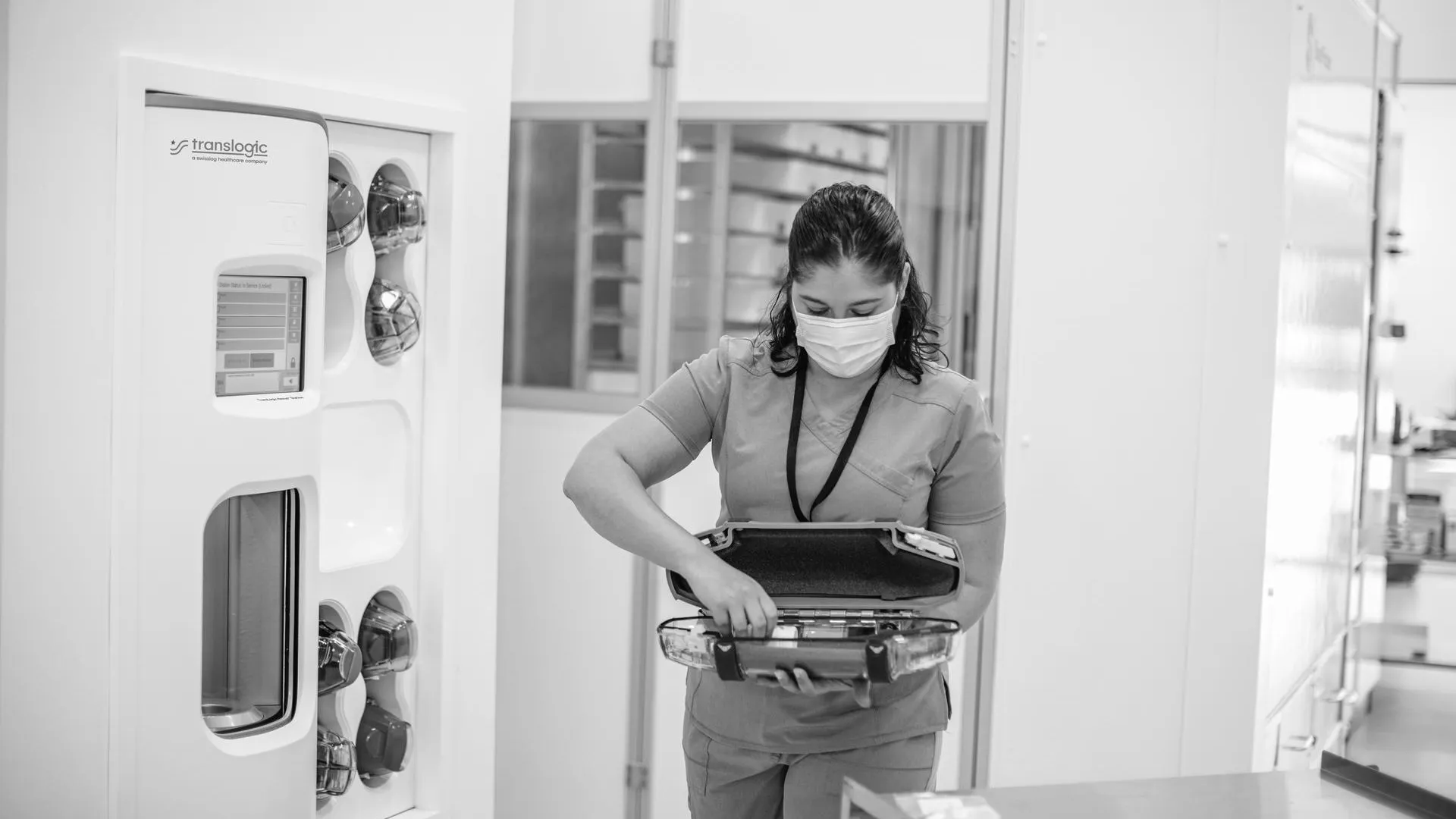
TransLogic carriers safely and reliably transport lab specimens, IVs, pharmaceuticals, documents, supplies, and other materials throughout your hospital’s pneumatic tube system. Purpose-built, durable, and color-coded to prevent cross-contamination, our pneumatic tube system carriers are even easy to load and unload thanks to a full access, side-open design. 
Stations and Accessories
staff using translogic station

Stations and Accessories

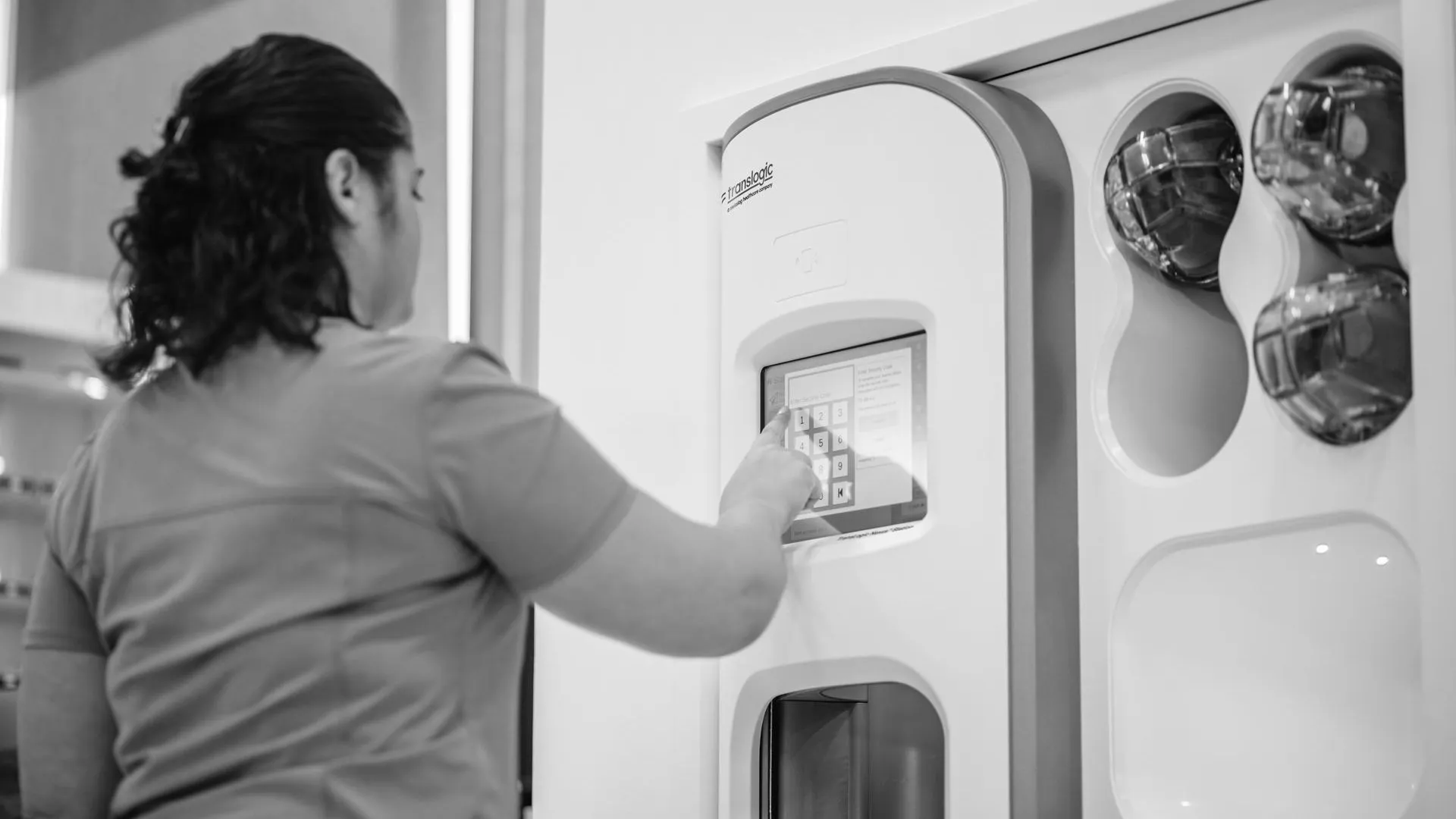
Stations are where hospital staff interacts with the pneumatic tube system. From carrier management and storage to security functions, TransLogic stations with Nexus™ empower hospitals to accelerate and protect workflows. 

The Latest Software 
user using touch screen

The Latest Software

Our latest software, Version 9 or “V9”, delivers the advanced features needed to support secure, scalable, and modern healthcare IT environments and enables maximum pneumatic tube system performance.

Tube System Modernization
Nurse pointing Nexus

Tube System Modernization

Keep Pace with the Demands of the Modern HospitalTube system technology updates and feature enhancements help hospitals contain costs while improving key operational functions staff and patients depend on. 

Talk to our experts

Contact our knowledgeable specialists to discover how our range of automation solutions can boost efficiency, reduce costs and enhance care at your healthcare facility.

Contact us